OSI Model
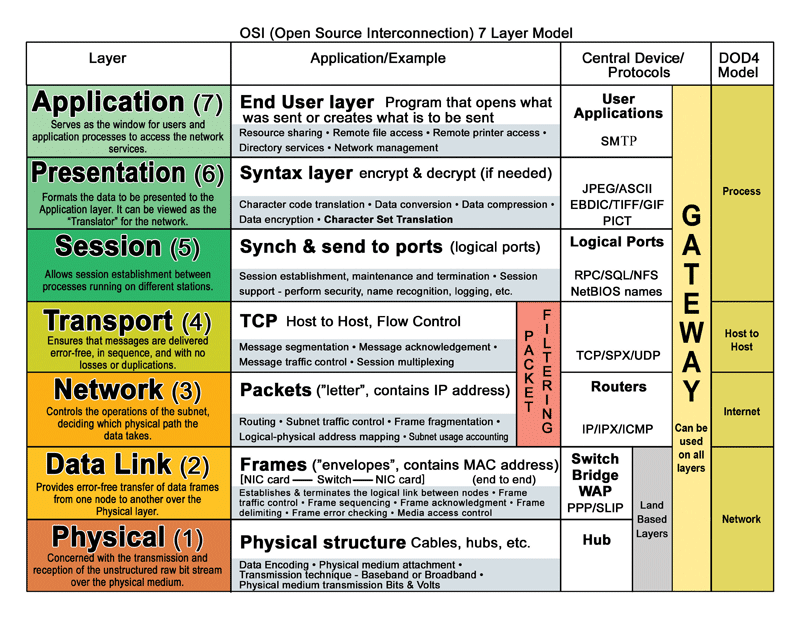
Ethernet

Physical and data-link layer
- Destination address: 6 bytes
- Source address: 6 bytes
- Ether Type: Payload content format
Each computer has unique MAC address in the network
To broadcast to every device (send to), destination address is set to
ff:ff:ff:ff:ff:ff
PPP (Point-to-point)

Data-link layer
- Address and Control fields are not used for now (set to some default)
- FCS = Frame check sequence
Internet Protocol (IP)
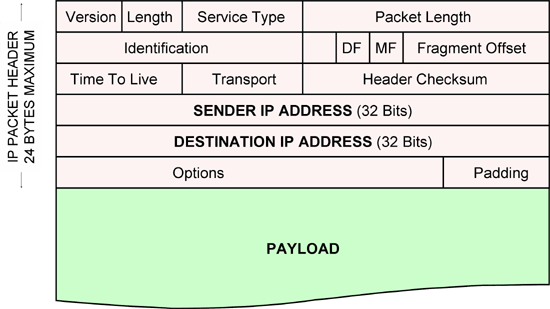
IP is a routed protocol
- Version: Specifies IP version (4 or 6)
- Service type: How packets are treated when routed (Quality of service)
- 8-16 bytes: Related with IP fragmentation
- Time to live: Value used to prevent routing loops (Decrement at every hop)
- Protocol: Which type of package is in IP as data
- Checksum: frame check sequence value
IP Fragmentation
- IP packet is larger than that link can support (MTU)
- More fragments flag: There is more data to come with same identification number
- Fragment offset: Bytes offset of packet when reassembling (fragment count is the order)
- Don’t fragment: Tell router not to fragment the packet (if packet size is > MTU, router drops the packet and returns with an ICMP packet) (Sometimes used for security purposes to prevent attackers from inserting fragments)
IPv6 doesn’t have a DF bit, and it uses a “Packet too big ICMPv6 message”
Internet control message protocol (ICMP)
- Used by network devices to send error messages e.g. unreachable host, network, port or protocol
- Echo request / reply (used by ping)
- it’s above IP: carried in IP datagrams, protocol number 1
consists of: - type - code plus header - first 8 bytes of IP datagram causing error

How Traceroute works?
- source sends set of UDP segments to destination ( 1st set has TTL=1, 2nd set has TTL=2, etc…)
- datagram in nth set arrives to nth router (router discards datagram and sends ICMP message including it’s IP address)
- when arrived at host, host returns ICMP “port unreachable” and it stops
Maximum Transmission Unit (MTU)

- The largest frame or packet that can be transmitted or received on an interface
Subnetting
- Taking a network and dividing it into sub-networks
Attributes of subnetting: - # of ip addresses in sub-network - cidr / subnet: converting between them - Network IP: first IP address in each sub-network - Broadcast IP: last IP address in each sub-network
Network and broadcast IP’s are NOT assigned to any user in the network! e.g. in /24, 256 possible addresses but only 254 usable
Address resolution protocol (ARP)
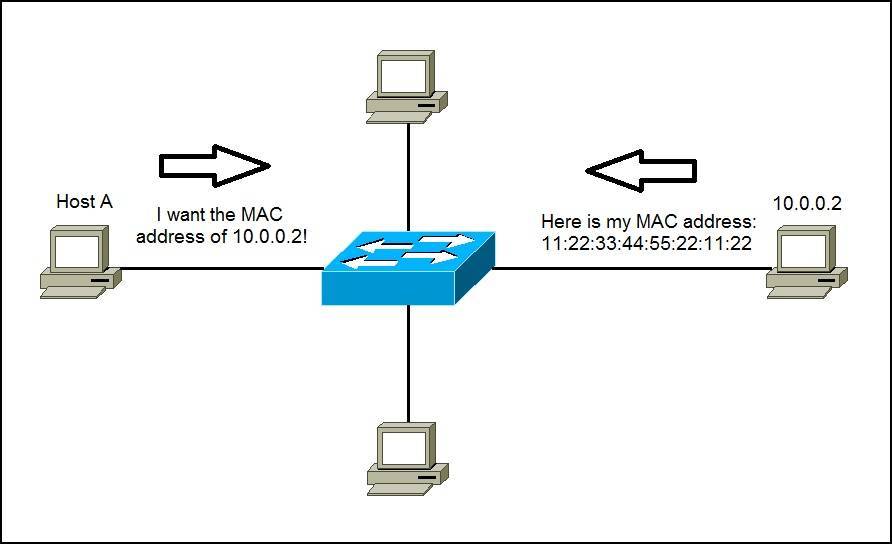
- Tracking an IP address to a physical machine in LAN (MAC)
- Sending a broadcast (every device receives) into network and asking “who (MAC address) owns this IP address?”
- Mapping between IP and Ethernet
- For IPv4
- packet arrives at a gateway to a host machine
- prompts the ARP program to match the IP address with a MAC address
- host searches it’s ARP-cache, if not found starts process
Transmission Control Protocol (TCP)
- encapsulated inside IP packet
- connection oriented
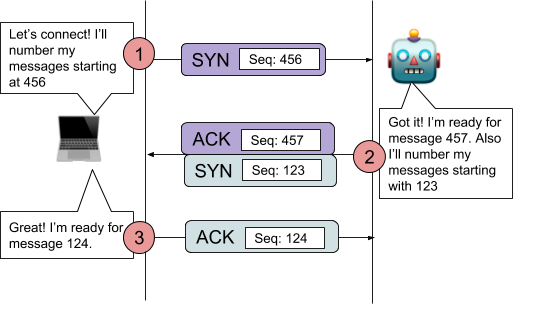
- client initializes connection to server
helps with:
- packet loss
- re-ordering
- multiple conversations
- flow control (slow down if too many packets get dropped)
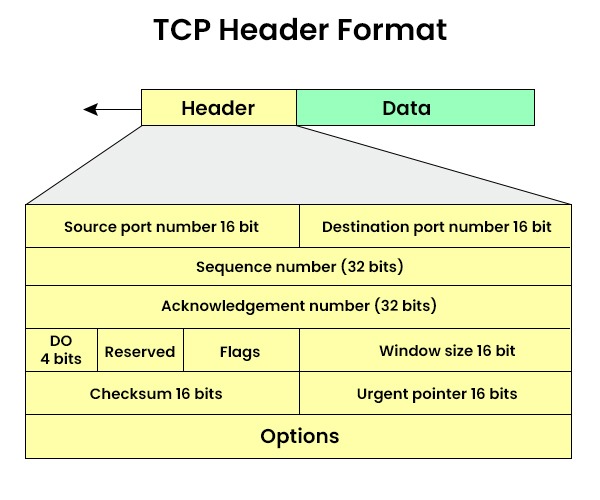
- checksum: frame check sequence for TCP header and data
- sequence number: set to a random number at the beginning, increased by 1 for each byte
TCP Connection

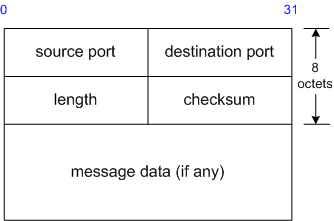
User Datagram Protocol (UDP)
- Connectionless: no handshaking
- “No frills”, “bare bone” internet transport protocol
- UDP segments may be lost or delivered out of order
- Each UDP segment is handled independently
Pros:
- No connection establishment delay
- Simple: no connection state
- Small header size
- No congestion control: UDP can blast away as fast as desired
Used by:
- Streaming multimedia apps (loss tolerant, rate sensitive)
- DNS (can still work in a congested state)
- SNMP
- HTTP/3
If reliable transfer needed over UDP (e.g., HTTP/3): add reliability and congestion control at application layer
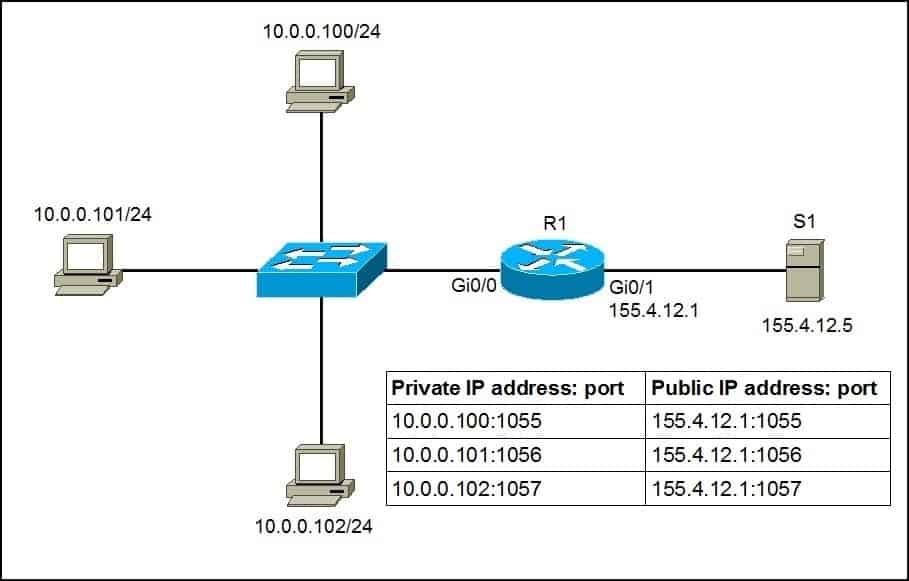
Network Address Translation (NAT)
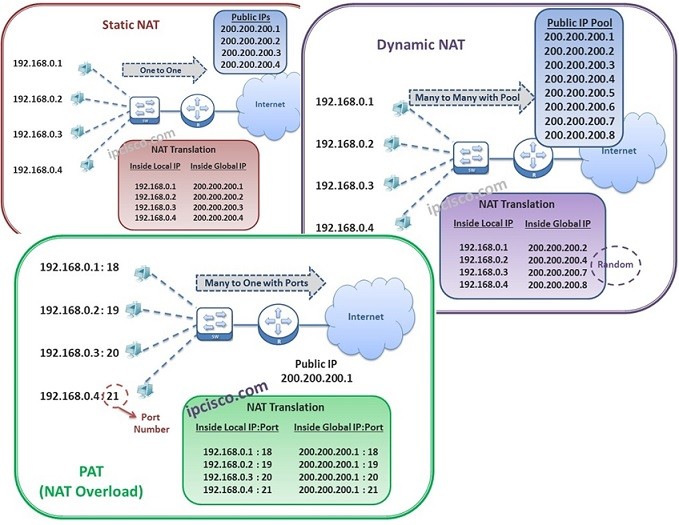
Port Address Translation (PAT)
Dynamic Host Configuration Protocol (DHCP)
- Operates over UDP
- Dynamically assigns an IP address to a machine that connects to the network
- Delivers the DHCP lease (time for IP lease)
- Configures network settings (subnet mask, gateway & DNS IP addresses, MTU etc…)
